Kyoto’s Whispering Kitchens: The Slow Art of Kaiseki
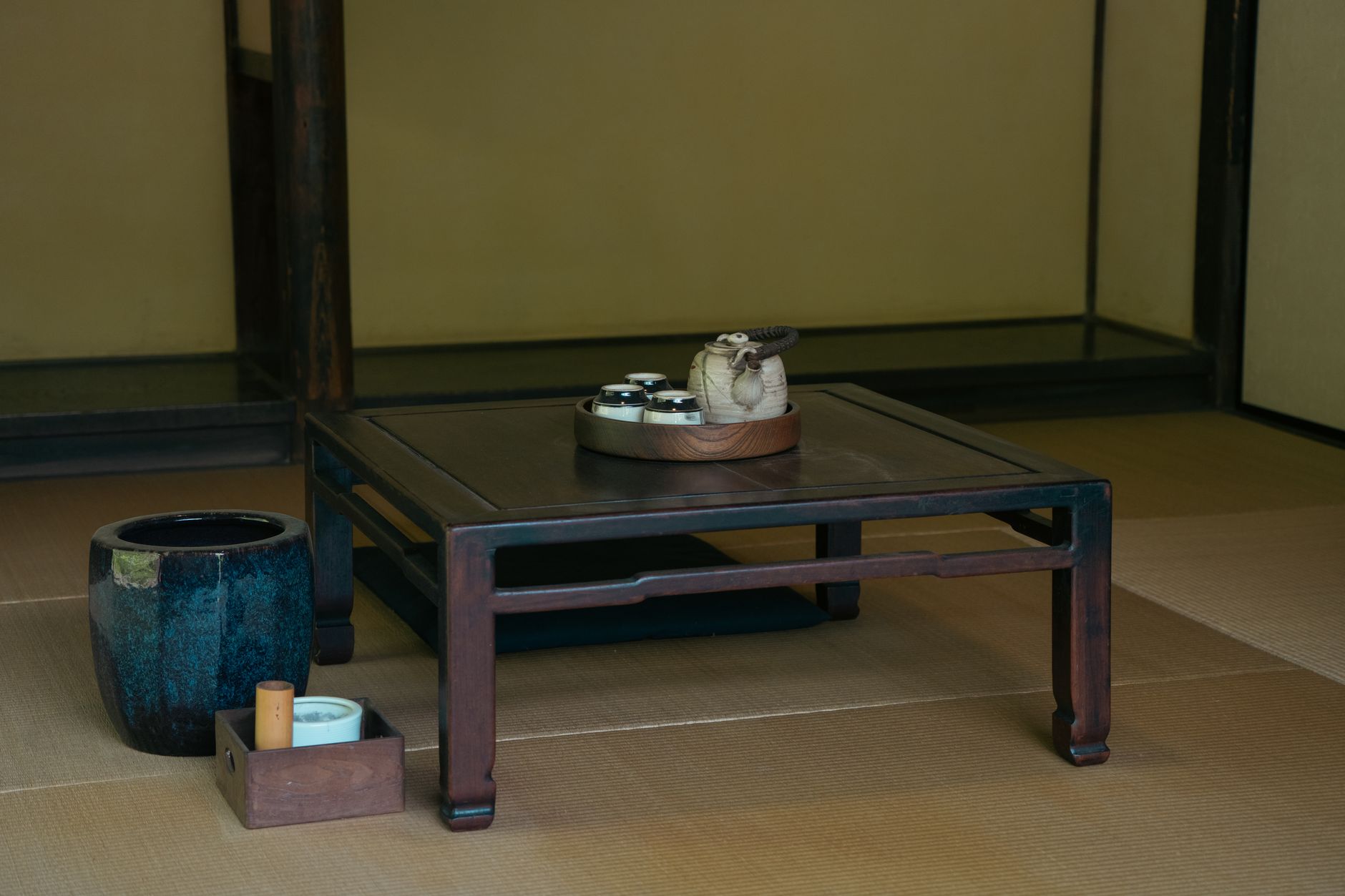
Before a knife touches vegetable in a classical Kyoto ryotei, water has already been studied for days. Beneath the ancient imperial capital flows an extraordinary aquifer of soft, mineral-gentle subterranean water, which allows the subtle glutamic acids of dried Rishiri kombu to bloom without bitterness.
The Invisible Water Base
Master chefs here speak of dashi not as a broth, but as a lens through which the pure essence of river fish, wild yamaimo root, and mitsuba leaf are magnified. In our visits to Gion and Arashiyama, one quickly learns that haste destroys kaiseki. The stock is brewed at temperatures carefully hovering between 60°C and 65°C—a technique requiring meditative attention rather than mechanical timers.
"To cook in Kyoto is to surrender to the calendar. You do not impose your will upon the ingredients; you wait for them to arrive."
Micro-Seasons of Japan
Where Western calendars divide the year into four broad quarters, the traditional Japanese sekki calendar observes 72 micro-seasons (ko), lasting roughly five days each. In early autumn, this manifests as *kōgan kitaru* (wild geese return) and *kiku no hana hiraku* (chrysanthemums blossom).
- Hassun course: A miniature seasonal landscape arranged on a wooden cedar tray, often decorated with fresh maple leaves and ginkgo nuts.
- Wanmori: The lidded soup bowl where moisture drops on the lacquer prove the lid hasn't been lifted since leaving the kitchen.
- Mukozuke: Sashimi prepared with seasonal accents like sudachi lime and fresh grated wasabi from Shizuoka creeks.
The Dialogue of Vessels
Equally integral is the relationship between the ingredient and the vessel. Dishes are served in centuries-old Oribe, Bizen, or Karatsu stoneware, alongside Wajima lacquerware. The tactile coolness of clay juxtaposed with warm autumn matsutake mushrooms provides a sensory dialogue rarely experienced in fast contemporary dining.
The Ritual of Stillness
For visitors exploring through 111111, dinner is not a spectacle; it is an unhurried meditation. As rain falls over the private courtyard moss gardens, the meal encourages visitors to lower their voices, listen to the drip from the bamboo rain gutters, and appreciate culinary perfection crafted over three hundred continuous years.